
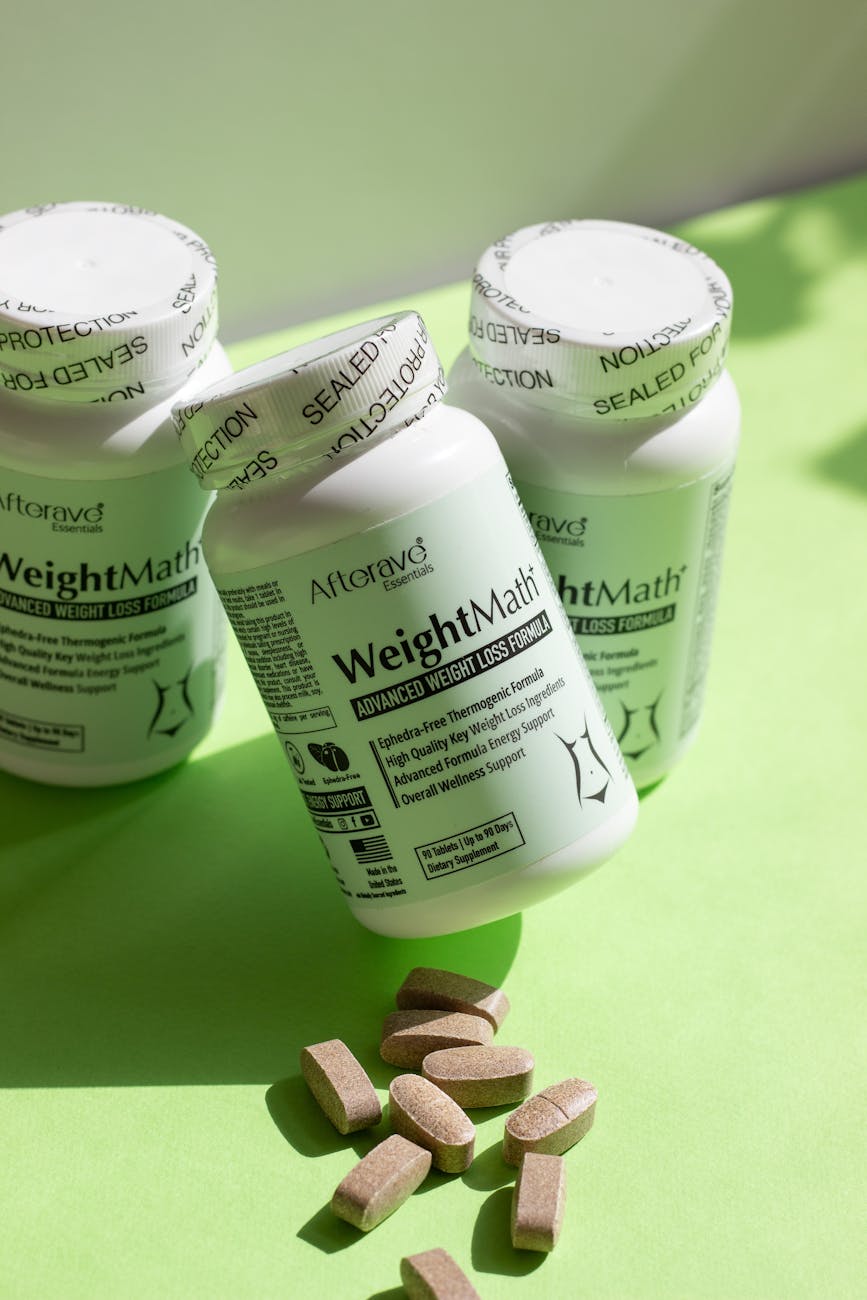
Weight Loss for Beginners: Your Path to a Healthier You
Want to lose weight but don't know where to start? This guide provides easy-to-understand strategies and practical tips for weight loss, helping you achieve your goals and build a healthier, happier lifestyle. Let's get started!
Table of Contents
- Understanding Weight Loss: The Basics
- Setting Realistic Weight Loss Goals
- Nutrition for Weight Loss: Fueling Your Body Right
- Exercise for Weight Loss: Finding What Works for You
- Sample Weight Loss Workout Plan
- Tracking Your Weight Loss Progress
- Staying Motivated on Your Weight Loss Journey
- Common Weight Loss Mistakes to Avoid
Understanding Weight Loss: The Basics
Weight loss boils down to a simple principle: consuming fewer calories than you burn. This creates a calorie deficit, forcing your body to tap into its stored energy (fat) for fuel.
However, it's not just about calories in versus calories out. The quality of your food matters just as much. Nutrient-rich foods keep you feeling full and satisfied, making it easier to stick to your plan. Consider focusing on whole foods for best results.
Also, remember that everyone's body is different, so what works for one person might not work for another. Be patient and experiment to find what works best for you.
Setting Realistic Weight Loss Goals
Setting achievable goals is crucial for success. Aiming for drastic weight loss in a short amount of time is often unsustainable and can even be harmful. Think long-term and sustainable.
A healthy and realistic weight loss goal is generally 1-2 pounds per week. This allows your body to adjust gradually and reduces the risk of rebound weight gain. Set small, incremental goals to keep yourself motivated.
Don't just focus on the number on the scale. Consider other metrics like body measurements, how your clothes fit, and your overall energy levels. These can be great indicators of progress, even if the scale isn't moving as quickly as you'd like.
Nutrition for Weight Loss: Fueling Your Body Right
Your diet plays a massive role in weight management. Focus on building a balanced diet rich in whole, unprocessed foods.
Prioritize these food groups:
- Lean Protein: Chicken breast, fish, beans, lentils, tofu. Protein helps you feel full and preserves muscle mass.
- Fruits and Vegetables: Aim for a colorful variety. They're packed with vitamins, minerals, and fiber.
- Whole Grains: Oats, quinoa, brown rice. These provide sustained energy and fiber.
- Healthy Fats: Avocados, nuts, olive oil. Essential for hormone production and overall health.
Limit processed foods, sugary drinks, and excessive amounts of unhealthy fats. These can sabotage your weight loss efforts and negatively impact your health.
Pay attention to portion sizes. Use smaller plates and bowls to help control how much you eat. Mindful eating, where you pay attention to your hunger and fullness cues, can also be incredibly helpful.
Hydration is Key
Don't forget to drink plenty of water throughout the day. Water can help you feel full, boost your metabolism, and flush out toxins. Aim for at least 8 glasses of water per day.
Exercise for Weight Loss: Finding What Works for You
Exercise is an important part of a healthy weight loss journey. It helps you burn calories, build muscle, and improve your overall fitness.
There are two main types of exercise to consider:
- Cardio: Activities like running, swimming, cycling, and dancing. Cardio burns a significant number of calories and improves cardiovascular health.
- Strength Training: Lifting weights, using resistance bands, or doing bodyweight exercises. Strength training builds muscle mass, which helps boost your metabolism and burn more calories even when you're at rest.
Find activities that you enjoy and that fit into your lifestyle. You're more likely to stick with a workout routine if you find it enjoyable.
Beginner-Friendly Exercises
If you're new to exercise, start slowly and gradually increase the intensity and duration of your workouts. Some beginner-friendly options include:
- Walking
- Jogging
- Swimming
- Cycling
- Bodyweight exercises (squats, push-ups, lunges)
Sample Weight Loss Workout Plan
This is a sample workout plan for beginners. Remember to consult with your doctor before starting any new exercise program. This is only a guide, adapt to your fitness level.
Week 1-2
- Monday: 30-minute brisk walk
- Tuesday: Bodyweight circuit (10 squats, 10 push-ups, 10 lunges per leg, repeat 3 times)
- Wednesday: Rest
- Thursday: 30-minute brisk walk
- Friday: Bodyweight circuit
- Saturday: Light activity (yoga, stretching)
- Sunday: Rest
Week 3-4
- Monday: 45-minute jog/walk interval
- Tuesday: Strength training with light weights (12-15 reps per exercise)
- Wednesday: Rest
- Thursday: 45-minute jog/walk interval
- Friday: Strength training with light weights
- Saturday: Active recovery (hiking, swimming)
- Sunday: Rest
Remember to warm up before each workout and cool down afterward. Listen to your body and take rest days when needed. Increase the intensity and duration of your workouts gradually as you get stronger.
Tracking Your Weight Loss Progress
Tracking your progress can help you stay motivated and identify areas where you may need to make adjustments. There are several ways to track your progress, including:
- Weighing yourself regularly: But don't obsess over the number. Weigh yourself once a week at the same time of day.
- Taking body measurements: Measure your waist, hips, and thighs every few weeks.
- Taking progress photos: These can be a great visual reminder of how far you've come.
- Tracking your food intake: Use a food journal or app to track your calories and macronutrients.
- Tracking your workouts: Keep a record of your exercises, sets, reps, and weight.
Find a method that works for you and stick with it. The key is to be consistent and honest with yourself.
Staying Motivated on Your Weight Loss Journey
Weight loss can be challenging, and it's normal to experience setbacks. Staying motivated is crucial for long-term success.
Here are some tips for staying motivated:
- Set realistic goals: As discussed earlier, achievable goals are key.
- Celebrate your successes: Acknowledge and reward yourself for reaching milestones (non-food rewards!).
- Find a support system: Surround yourself with friends, family, or a support group who can encourage you.
- Focus on the non-scale benefits: Improved energy levels, better sleep, and increased confidence.
- Be patient and persistent: Don't give up if you don't see results immediately. Consistency is key.
Remember why you started this journey in the first place. Keep your goals in mind and stay focused on your overall health and well-being.
Common Weight Loss Mistakes to Avoid
Many people make common mistakes that can hinder their weight loss efforts. Here are some to watch out for:
- Crash dieting: Severely restricting calories can lead to nutrient deficiencies, muscle loss, and rebound weight gain.
- Skipping meals: This can lead to overeating later in the day.
- Not eating enough protein: Protein is essential for satiety and muscle preservation.
- Drinking your calories: Sugary drinks can add up quickly.
- Not getting enough sleep: Sleep deprivation can disrupt hormones that regulate appetite.
- Stress eating: Find healthy ways to manage stress, such as exercise or meditation.
By avoiding these common mistakes, you'll be well on your way to achieving your weight loss goals.
FAQ
Question
How quickly should I expect to lose weight?
A healthy and sustainable rate of weight loss is generally 1-2 pounds per week. Faster weight loss can be unhealthy and unsustainable.
Question
Do I have to give up all my favorite foods?
No! Depriving yourself of your favorite foods can lead to cravings and binge eating. Instead, focus on moderation and incorporate your favorite foods into your diet in a balanced way.
Question
What if I have a bad day and overeat?
Don't beat yourself up about it. It happens to everyone. Just get back on track with your next meal and don't let one bad day derail your progress.
Question
Is it okay to weigh myself every day?
It's generally not recommended to weigh yourself every day, as your weight can fluctuate due to various factors. Weigh yourself once a week at the same time of day for a more accurate picture of your progress.
Question
What kind of exercises are best for burning fat?
A combination of cardio and strength training is most effective for burning fat. Cardio burns calories, while strength training builds muscle, which boosts your metabolism.




0 Comments