
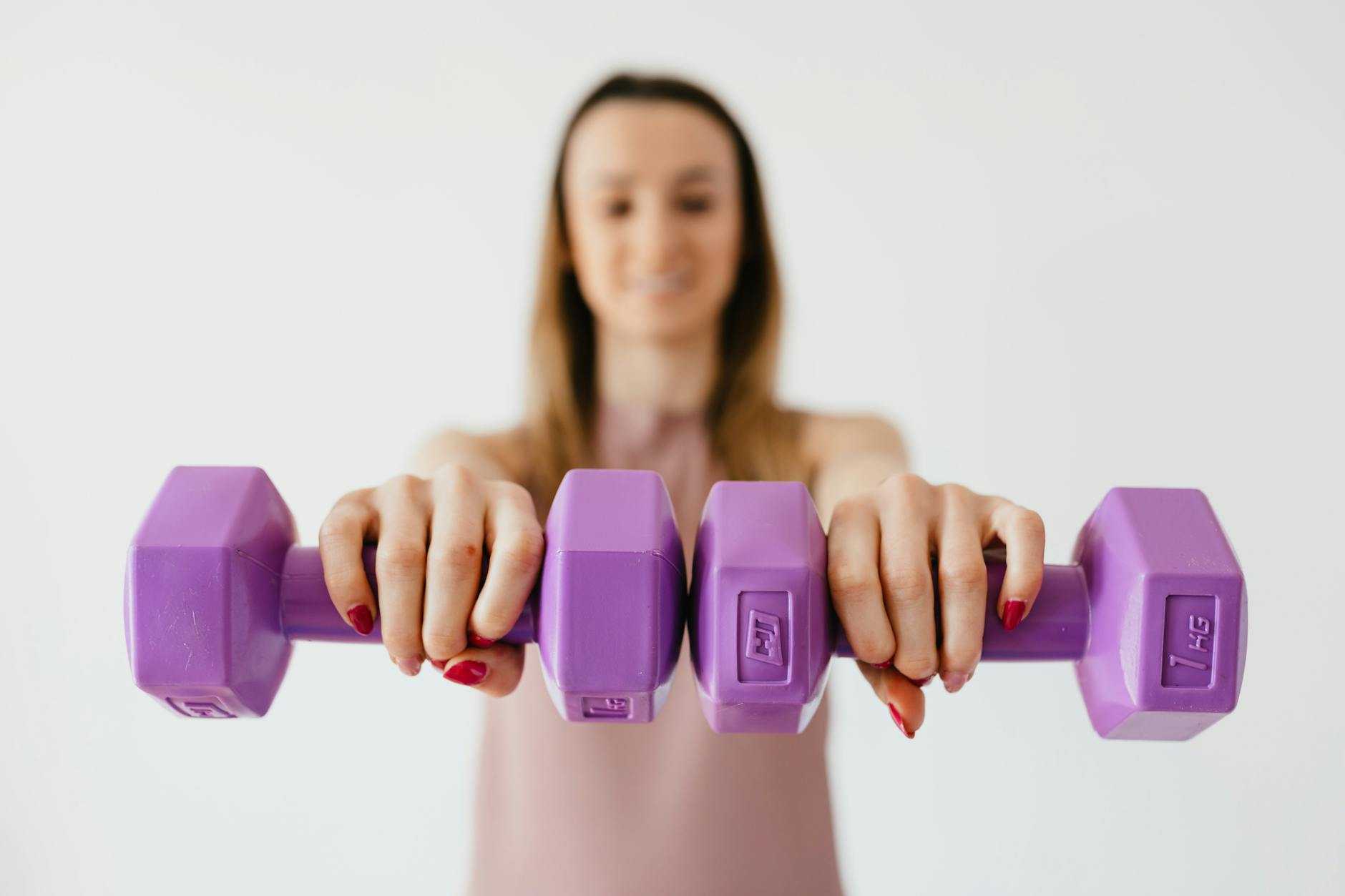
Full Body Workouts: Your Guide to Strength, Endurance, and Results
Want to get stronger, improve your fitness, and see real results? Full body workouts are a fantastic way to achieve those goals, especially if you're just starting out or have limited time. This guide will walk you through everything you need to know, from the benefits to a sample workout plan you can start today.
Table of Contents
- The Amazing Benefits of Full Body Workouts
- Understanding the Principles of Full Body Training
- Essential Exercises for Your Full Body Routine
- A Sample Full Body Workout Plan (Beginner & Intermediate)
- Tracking Your Progress and Staying Motivated
- Fueling Your Body for Full Body Success
- Common Mistakes to Avoid in Full Body Workouts
- FAQ
The Amazing Benefits of Full Body Workouts
Why choose full body workouts? They offer a ton of advantages, making them a popular choice for fitness enthusiasts of all levels.
First, they're incredibly efficient. You're working all major muscle groups in each session, saving you time compared to split routines that focus on individual muscle groups each day.
Full body training also promotes balanced muscle development. This helps prevent imbalances that can lead to injuries. Plus, it's fantastic for boosting your metabolism and burning calories.
Finally, these workouts can significantly improve your functional strength, which is essential for everyday activities.
Understanding the Principles of Full Body Training
Before jumping into a workout, let's cover some fundamental principles. This will help you maximize your results and minimize your risk of injury.
Frequency is key. Aim for 2-3 full body workouts per week, allowing for adequate rest and recovery between sessions. Rest is just as important as the workout itself!
Focus on compound exercises. These are movements that work multiple muscle groups simultaneously. Think squats, deadlifts, presses, and rows.
Proper form is crucial. It's better to lift lighter weights with good form than to lift heavy with poor form. This will help prevent injuries.
Progressive overload is essential for continued progress. Gradually increase the weight, reps, or sets as you get stronger.
Essential Exercises for Your Full Body Routine
These exercises are the building blocks of a great full body workout. Choose variations that suit your current fitness level.
Squats
The king of exercises! Squats target your quads, glutes, and hamstrings. Try bodyweight squats, goblet squats, or barbell squats.
Deadlifts
A powerful exercise that works your entire posterior chain (back, glutes, hamstrings). Start with Romanian deadlifts or conventional deadlifts with lighter weight.
Push-ups
A classic bodyweight exercise for your chest, shoulders, and triceps. Modify by doing them on your knees if needed.
Rows
Essential for your back muscles. Bent-over rows, dumbbell rows, and cable rows are all great options.
Overhead Press
Works your shoulders and triceps. Use dumbbells or a barbell. Start with a weight you can comfortably control.
Plank
A fantastic core exercise. Hold a plank for as long as you can maintain good form.
A Sample Full Body Workout Plan (Beginner & Intermediate)
Here's a sample full body workout plan you can adapt to your fitness level. Remember to warm up before each workout and cool down afterward.
Beginner Full Body Workout (2-3 times per week)
- Squats: 3 sets of 10-12 reps
- Push-ups (on knees if needed): 3 sets of as many reps as possible (AMRAP)
- Dumbbell Rows: 3 sets of 10-12 reps per arm
- Plank: 3 sets, hold for 30-60 seconds
- Glute Bridges: 3 sets of 15-20 reps
Intermediate Full Body Workout (2-3 times per week)
- Barbell Squats: 3 sets of 8-10 reps
- Deadlifts: 1 set of 5 reps, 1 set of 3 reps, 1 set of 1 rep (increase weight each set)
- Push-ups: 3 sets of as many reps as possible (AMRAP)
- Bent-over Rows: 3 sets of 8-10 reps
- Overhead Press: 3 sets of 8-10 reps
- Walking Lunges: 3 sets of 10-12 reps per leg
Adjust the weight and reps to match your fitness level. Focus on maintaining proper form throughout each exercise.
Tracking Your Progress and Staying Motivated
Tracking your progress is essential for staying motivated and seeing results. Here are a few ways to do it:
Keep a workout journal. Record the exercises you do, the weight you lift, and the number of reps you complete. This allows you to see your progress over time.
Take progress photos. Seeing visual changes can be a huge motivator.
Set realistic goals. Don't try to do too much too soon. Start small and gradually increase the intensity and volume of your workouts.
Find a workout buddy. Having someone to exercise with can make the process more enjoyable and help you stay accountable.
Fueling Your Body for Full Body Success
Your diet plays a crucial role in your fitness journey. Make sure you're eating a balanced diet that supports your workout goals.
Prioritize protein. Protein is essential for muscle repair and growth. Aim for 0.8-1 gram of protein per pound of bodyweight.
Eat plenty of fruits and vegetables. These are packed with vitamins, minerals, and antioxidants that support overall health.
Choose healthy fats. Healthy fats are important for hormone production and overall well-being. Sources include avocados, nuts, and olive oil.
Stay hydrated. Drink plenty of water throughout the day, especially before, during, and after your workouts.
Common Mistakes to Avoid in Full Body Workouts
Avoid these common mistakes to maximize your results and stay injury-free.
Lifting too heavy too soon. Start with a weight you can comfortably control and gradually increase the weight as you get stronger. This will prevent injury and ensure proper form.
Neglecting proper form. Form is more important than weight. Focus on maintaining proper form throughout each exercise.
Not allowing for enough rest. Rest is essential for muscle recovery and growth. Aim for at least one full rest day between workouts.
Ignoring warning signs. If you experience pain, stop the exercise and consult with a healthcare professional.
Skipping the warm-up and cool-down. Always warm up before your workout and cool down afterward to prepare your muscles and prevent injury.
FAQ
Question: How often should I do full body workouts?
Answer: Aim for 2-3 full body workouts per week, allowing for at least one full rest day between sessions. This gives your muscles time to recover and rebuild.
Question: What if I can't do a full push-up?
Answer: No problem! Modify the exercise by doing push-ups on your knees. You'll still be working the same muscles, just with less resistance. As you get stronger, you can gradually progress to full push-ups.
Question: How long should my full body workout last?
Answer: A good full body workout can last anywhere from 45 minutes to an hour, depending on the number of exercises, sets, and reps you do. Focus on quality over quantity.
Question: Is it okay to do cardio on my rest days?
Answer: Yes! Light cardio, such as walking or cycling, can be a great way to stay active on your rest days and promote blood flow to your muscles. Just avoid intense workouts that will further fatigue your muscles.
Question: How long before I see results from full body workouts?
Answer: You'll likely start to notice improvements in your strength and endurance within a few weeks. Visible changes in your physique may take a bit longer, depending on your diet and overall lifestyle. Consistency is key!




0 Comments