
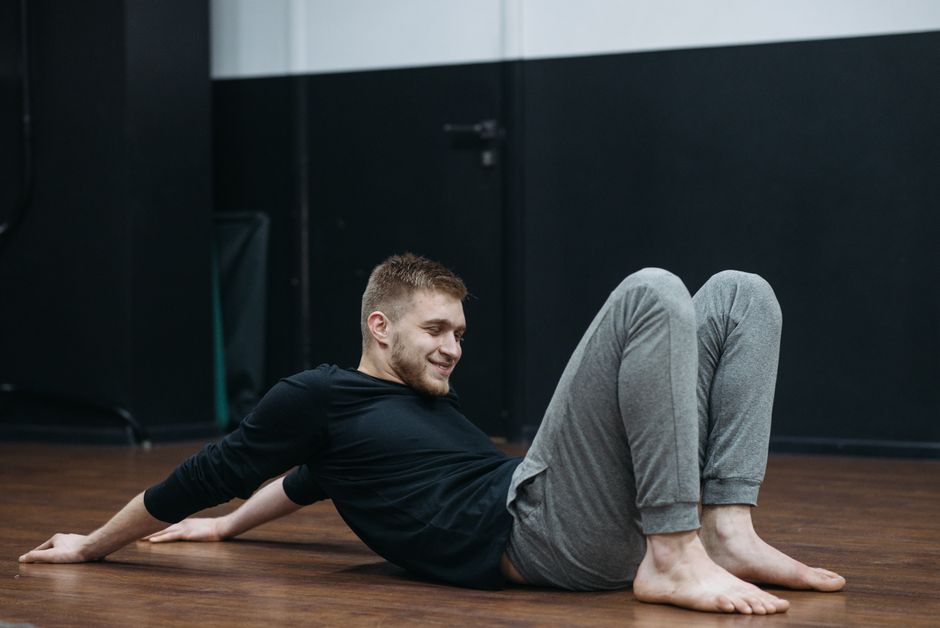
Image Source: Pexels
Stop Hurting: The Ultimate Guide to Yoga for Flexibility and Stress Relief
You woke up stiff again. Your shoulders are tight from staring at the screen.
Your lower back aches just standing up. I know that feeling. The modern world demands flexibility—but our bodies feel like concrete blocks.
We're stressed, rigid, and constantly operating in fight-or-flight mode. This isn't just uncomfortable; it’s unsustainable.
Forget those grueling, exhausting workouts. We need a sustainable, deep release. We need movement that calms the nervous system while rebuilding mobility.
I’m Hamoudi, and for 15 years, I’ve helped people like you find strength and peace simultaneously. Let's talk about why yoga is the missing piece in your wellness puzzle.
1. Flexibility Isn’t Just Touching Your Toes: It’s Longevity
Real flexibility is about creating space in the joints and releasing stored tension. It's preventative maintenance for an aging body.
When you feel stiff, your body is holding tension that translates directly into mental stress. You have to attack the deepest knots.
Unlock Your Concrete Hips with Pigeon Pose
Your hips are notorious for holding emotional stress and movement restriction from excessive sitting. They must be addressed.
Pigeon Pose (Eka Pada Rajakapotasana) is your best friend here, but most people push too hard.
The Hamoudi Tip: Never force the knee. Use a block or a rolled-up towel under your front hip. This supports the joint and allows the muscles (piriformis and glutes) to actually relax.
Focus on exhaling deeply for 60 seconds on each side. You must be comfortable enough to breathe deeply, otherwise, you're just triggering more tension.
2. The Silent System Reset: Mastering Your Breath
Stress lives in shallow, rapid chest breathing. If you want to melt anxiety, you have to consciously activate the parasympathetic nervous system (PNS).
Yoga uses breathwork (Pranayama) as a direct lever for switching off stress hormones.
Calm the Chaos with Ujjayi (Ocean) Breath
Ujjayi is the sound mechanism of true stress relief. It requires you to slightly constrict the back of your throat as if you were trying to fog up a mirror.
The resulting sound is soft, rhythmic, and audible—like the ocean tide. This intentional constriction stimulates the Vagus nerve.
Why This Works: The Vagus nerve is the main communication highway between your gut, heart, and brain. Stimulating it signals safety to your nervous system.
Practice Ujjayi in every single posture. It keeps your mind focused and your body stable. If you lose the breath, you lose the pose.
3. Consistency Over Intensity: The 5-Minute Rule
People think they need 90 minutes of hot yoga five times a week to see results. That’s nonsense. Consistency is the true indicator of progress.
A focused 15 minutes of yoga three times a week beats one sporadic, painful hour once a month.
The Underrated Power of Real Savasana
Savasana (Corpse Pose) is the final, most crucial pose in yoga, and it’s the one most people skip to grab their phones.
Savasana is not nap time. It is the time dedicated to nervous system integration.
The body needs time to register the new mobility, the lowered heart rate, and the shift in hormonal balance.
Commit to a full five minutes of intentional stillness every single time you practice. Don't fidget. Don't plan your day. Just observe the silence.
This is where the magic happens. This is the final, essential step to truly relieving stress.
Frequently Asked Questions (FAQ)
How often should I practice yoga for flexibility results?
For notable flexibility results, aim for 3-4 sessions per week, even if they are short (20-30 minutes). Consistency is paramount. Daily 10-minute sessions focused on high-tension areas (hips, shoulders) are also highly effective.
Is yoga better than traditional stretching for stress relief?
Yes. Traditional stretching focuses primarily on muscle length. Yoga combines physical postures (asanas) with targeted breathwork (pranayama) and meditation. This intentional combination directly addresses the neurological components of stress, making it a far superior holistic practice.
What if I am completely inflexible and can’t touch my toes?
Perfect. That means you have the most room for improvement. Yoga meets you exactly where you are. Use props—blocks, straps, and blankets—liberally. The goal isn't to look like the magazine model; the goal is to feel a safe, targeted stretch in your own body. Never compare your Chapter 1 to someone else's Chapter 20.
🚀 Ready to transform your body? Follow Unique Fitness Tips for more daily hacks!




0 Comments